In 2024, The National Institute on Aging and the Alzheimer’s Association revised the diagnostic criteria of Alzheimer’s Disease to require a biological confirmation of the disease process through various biomarkers.
Early Core 1 biomarkers include amyloid positron emission tomography (PET scan), cerebrospinal fluid (CSF) biomarkers (amyloid Beta 42/40, p-tau 181/ amyloid B42, total tau/amyloid B42) and serum biomarkers (p-tau 217), and are used to establish the diagnosis of the Alzheimer’s Disease process. These markers can be present even before the onset of symptoms.
Presently, CNO uses cerebrospinal fluid (CSF) and/or serum p-tau217 biomarkers to confirm the presence of Alzheimer’s Disease.
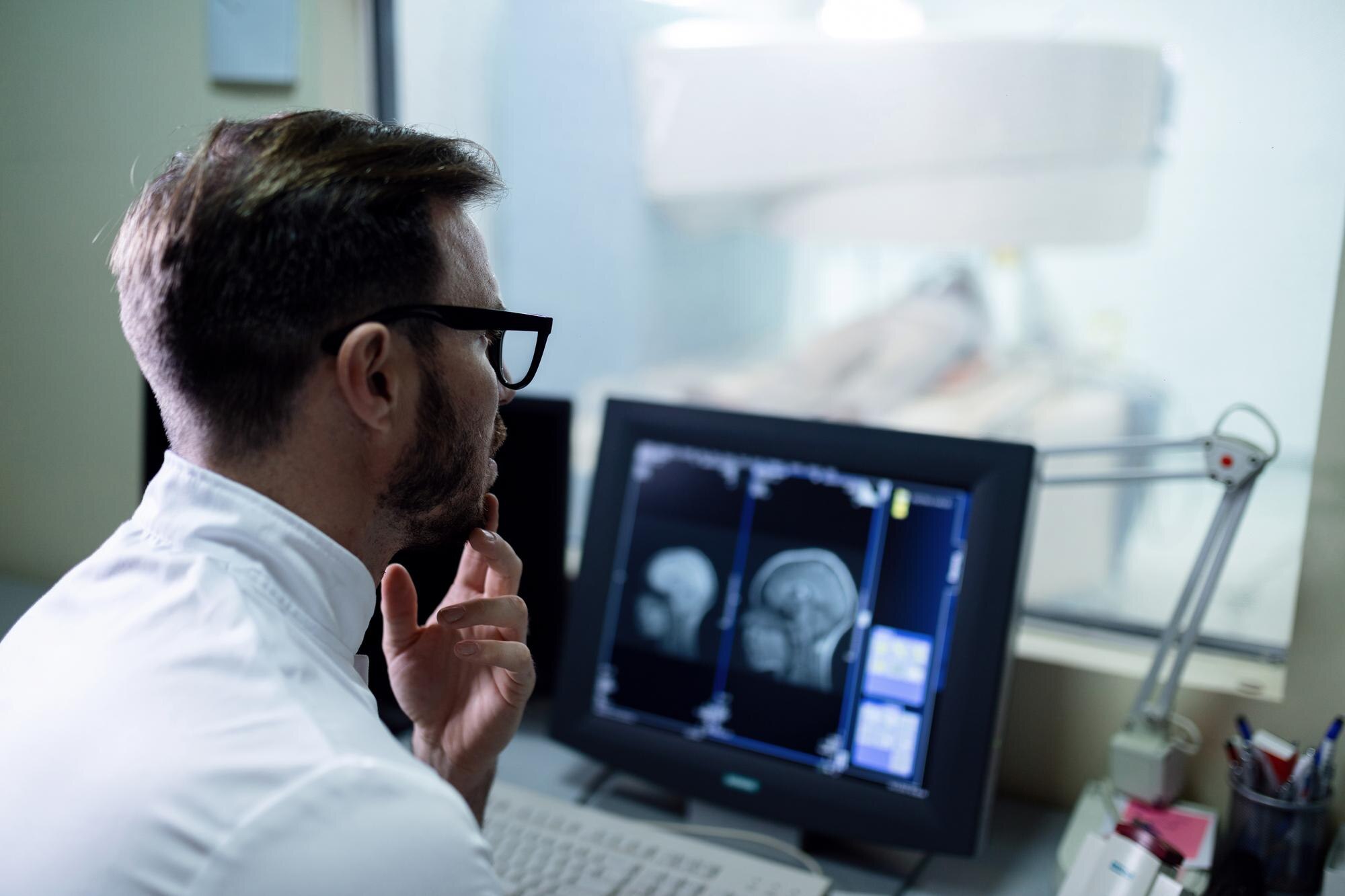
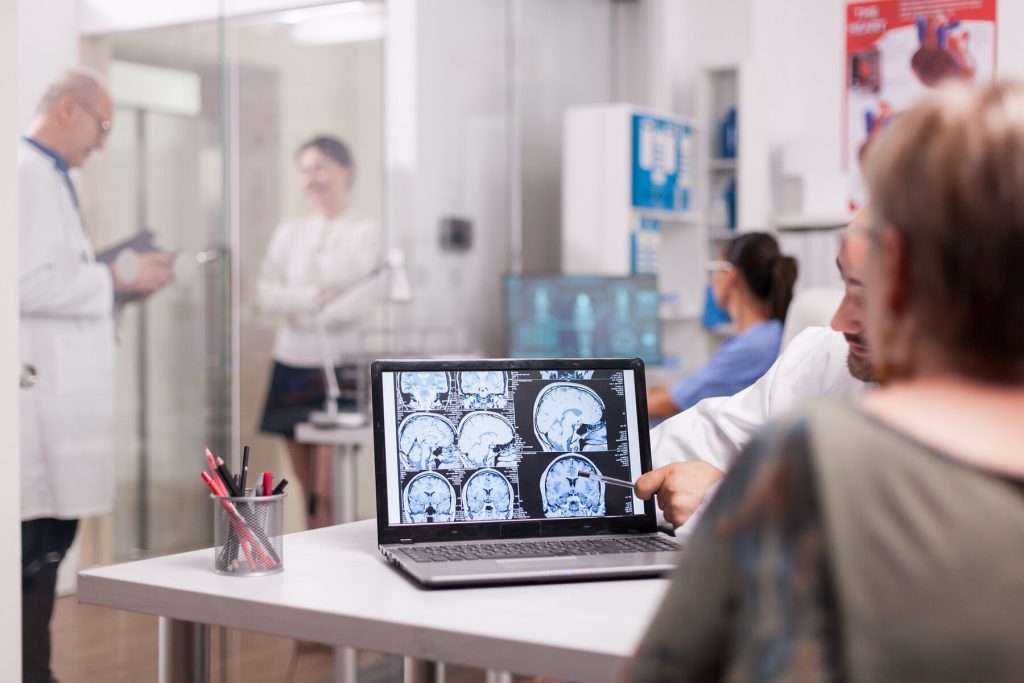
Core 2 biomarkers include CSF or plasma, MTBR-tau243, p-tau 205 and tau-PET. As well as serum or CSF, NFL, GFAP and cerebral MRI. These biomarkers are used for staging, prognosis, and evaluating the treatment effect.
In 2024, The National Institute on Aging and the Alzheimer’s Association revised the diagnostic criteria of Alzheimer’s Disease to require a biological confirmation of the disease process through various biomarkers.
Early Core 1 biomarkers include amyloid positron emission tomography (PET scan), cerebrospinal fluid (CSF) biomarkers (amyloid Beta 42/40, p-tau 181/ amyloid B42, total tau/amyloid B42) and serum biomarkers (p-tau 217), and are used to establish the diagnosis of the Alzheimer’s Disease process. These markers can be present even before the onset of symptoms.
Presently, CNO uses cerebrospinal fluid (CSF) and/or serum p-tau217 biomarkers to confirm the presence of Alzheimer’s Disease.
Core 2 biomarkers include CSF or plasma, MTBR-tau243, p-tau 205 and tau-PET. As well as serum or CSF, NFL, GFAP and cerebral MRI. These biomarkers are used for staging, prognosis, and evaluating the treatment effect.
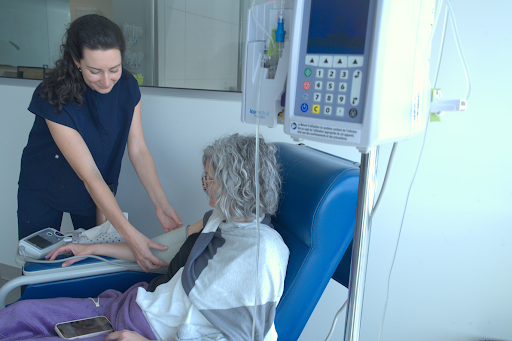
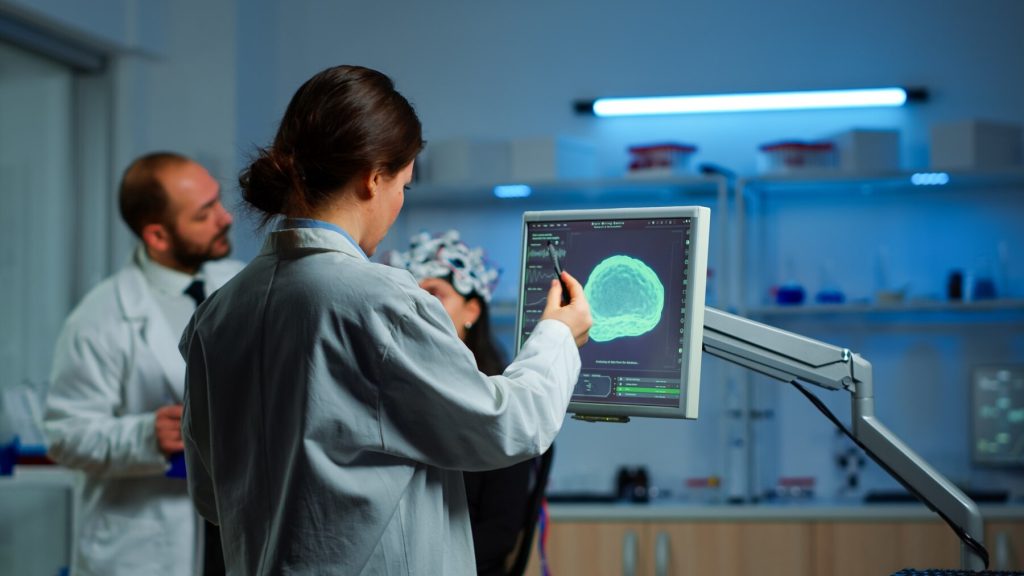
Repetitive transcranial magnetic stimulation (rTMS) is a form of non-invasive neuromodulation. It involves using an electromagnet to apply repeated, brief magnetic pulses to the central nervous system. This induces a small electrical current in focal areas of the cortex influencing synaptic activity, connectivity, and neuroplasticity in areas of the brain involved in cognition.
rTMS has shown significant effects in cognitive enhancement. Recent reviews have concluded that rTMS appears to be safe and effective in improving cognitive function in people with Alzheimer’s disease. However, further studies are required to confirm, better understand, and improve the intervention.
CNO offers rTMS treatments for those with Alzheimer’s Disease. However, as these treatments are still considered experimental, they are not currently covered by the public health system.
CNO is involved in clinical research for a wide variety of neurological conditions and related disorders, including Alzheimer’s research. As a forward-thinking Alzheimer’s prevention clinic and dementia treatment center, we aim to expand access to advanced diagnostics, novel therapies, and real-world clinical trials that may improve long-term outcomes.
If you or a loved one is experiencing memory changes or cognitive decline, our team can provide comprehensive evaluation.
If you want to discuss Alzheimer’s disease diagnosis and treatment options, contact us today.