Glioblastoma Multiforme Treatment - Gatineau

As a specialized neurology treatment center serving patients across Gatineau, Ottawa, and the Outaouais region, Clinique Neuro-Outaouais (CNO) provides coordinated care for people diagnosed with glioblastoma multiforme (GBM).

Our focus is on neurological evaluation, symptom control, and ongoing support alongside oncology and neurosurgery teams, with the goal of improving stability, function, and quality of life throughout treatment.

About Glioblastoma Multiforme

Glioblastoma multiforme is an aggressive brain cancer (often described as “stage 4” in common language, corresponding to WHO grade 4).

GBM typically presents with headaches, new onset seizures, nausea, vomiting or cognitive dysfunction. Conventional therapy consisting of surgery, radiotherapy, and Temozolomide chemotherapy can extend survival compared with no treatment.

Glioblastoma Multiforme Treatment Options

Treatment of glioblastoma multiforme is generally built around three pillars: maximal safe surgical resection when feasible, radiation therapy, and chemotherapy.

We offer a multidisciplinary approach to patients with GBM. Our neurologists in conjunction with other specialists; oncologists and neurosurgeons are involved in the diagnosis and medical treatment of the tumor and its complications, such as seizures.

Because glioblastoma causes neurological symptoms through both tumor effects and surrounding inflammation, care also includes active management of complications, especially seizures, weakness, fatigue, and cognitive impairment.
Rehabilitation Support Through NeuroGym

Neurologic changes from the tumor itself or from treatment can lead to motor deficits, balance problems, or reduced endurance. When mobility or function is affected, neuromuscular and motor rehabilitation can be an important part of the overall plan. 

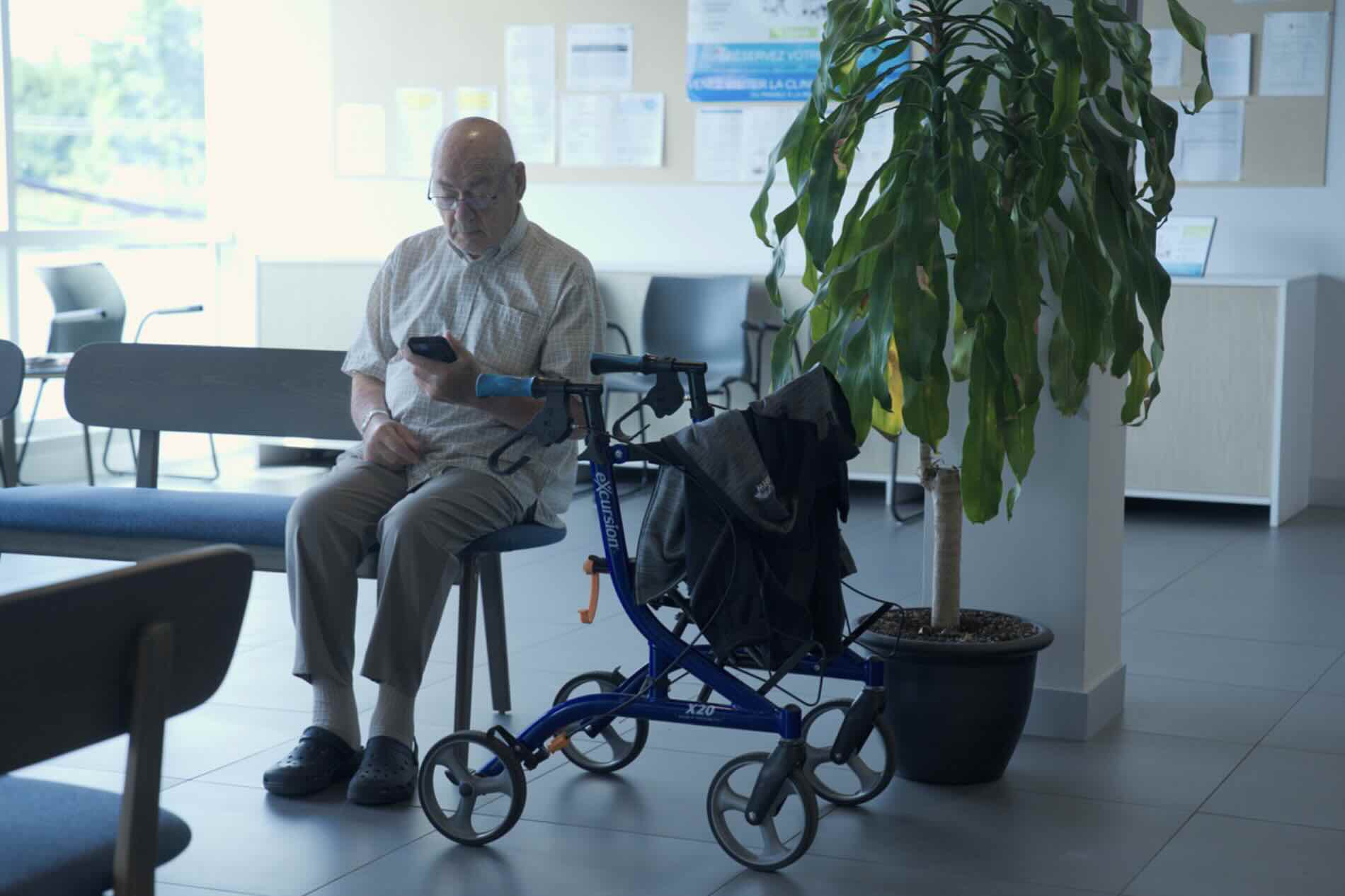
Motor deficits affecting ambulation can be improved with neuro rehab via our in house NeuroGym. This may help improve ambulation, strength, coordination, and functional confidence. Rehabilitation goals are individualized and may evolve as treatment progresses.

About Glioblastoma Multiforme

Glioblastoma multiforme is an aggressive brain cancer (often described as “stage 4” in common language, corresponding to WHO grade 4).

GBM typically presents with headaches, new onset seizures, nausea, vomiting or cognitive dysfunction. Conventional therapy consisting of surgery, radiotherapy, and Temozolomide chemotherapy can extend survival compared with no treatment.

Glioblastoma Multiforme Treatment Options

Treatment of glioblastoma multiforme is generally built around three pillars: maximal safe surgical resection when feasible, radiation therapy, and chemotherapy.

We offer a multidisciplinary approach to patients with GBM. Our neurologists in conjunction with other specialists; oncologists and neurosurgeons are involved in the diagnosis and medical treatment of the tumor and its complications, such as seizures.

Because glioblastoma causes neurological symptoms through both tumor effects and surrounding inflammation, care also includes active management of complications, especially seizures, weakness, fatigue, and cognitive impairment.
Rehabilitation Support Through NeuroGym

Neurologic changes from the tumor itself or from treatment can lead to motor deficits, balance problems, or reduced endurance. When mobility or function is affected, neuromuscular and motor rehabilitation can be an important part of the overall plan. 

Motor deficits affecting ambulation can be improved with neuro rehab via our in house NeuroGym. This may help improve ambulation, strength, coordination, and functional confidence. Rehabilitation goals are individualized and may evolve as treatment progresses.

Glioblastoma Multiforme Treatment Options Beyond Standard Therapy

Many people searching for glioblastoma multiforme treatment options are trying to understand what exists beyond surgery, radiation, and chemotherapy. In practice, supportive care rehabilitation may also be an important part of the treatment pathway.

CNO previously initiated and conducted a clinical trial which looked at combining immunotherapy with conventional therapies (Avelumab in Newly Diagnosed Glioblastoma Multiforme-the SEJ Study).

Neuromodulation for GBM: rTMS as an Investigational Approach

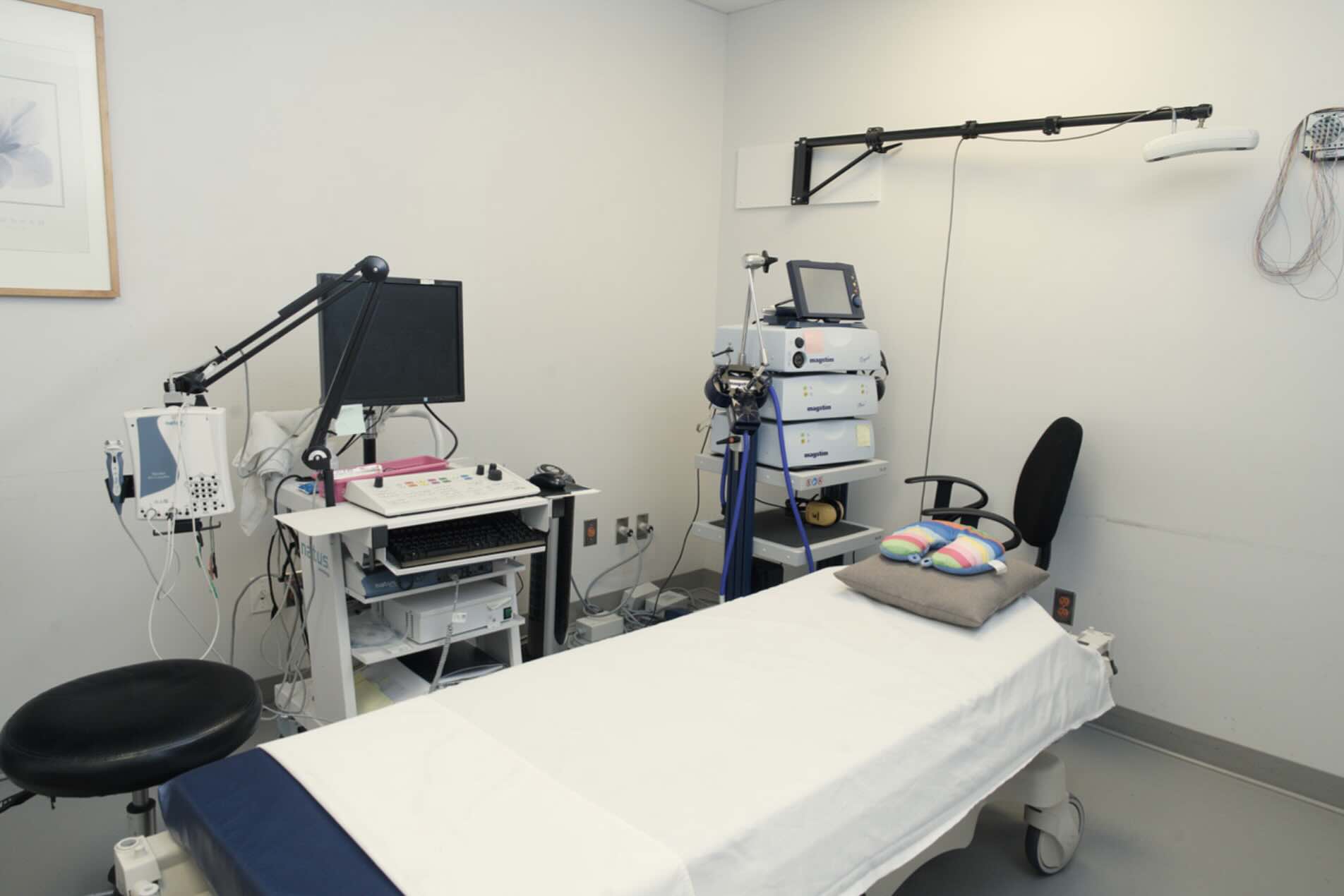
CNO is currently offering a research trial using non-invasive neuromodulation (NINM) via repetitive transcranial magnetic stimulation (rTMS) to improve outcomes in patients with GBM. rTMS uses targeted magnetic pulses to influence neural networks and is widely used in other neurological and psychiatric contexts.

For glioblastoma multiforme treatment, this remains an investigational approach aimed at improving outcomes and supporting neurological function, and it should be viewed as a developing area of research rather than established standard of care.
Amyotrophic lateral sclerosis ALS patient support concept

Book a Neurological Evaluation in Gatineau with CNO

If you or a loved one has been diagnosed with glioblastoma multiforme, or is experiencing symptoms such as new seizures, worsening headaches, cognitive changes, or mobility decline, a neurological evaluation can help clarify next steps and support treatment planning.

Clinique Neuro-Outaouais provides expert neurological care within multidisciplinary GBM treatment options, including rehabilitation support through NeuroGym, and our rTMS research trial in GBM. To discuss GBM treatment options or advanced therapies, contact Clinique Neuro-Outaouais today to schedule a comprehensive neurological evaluation.