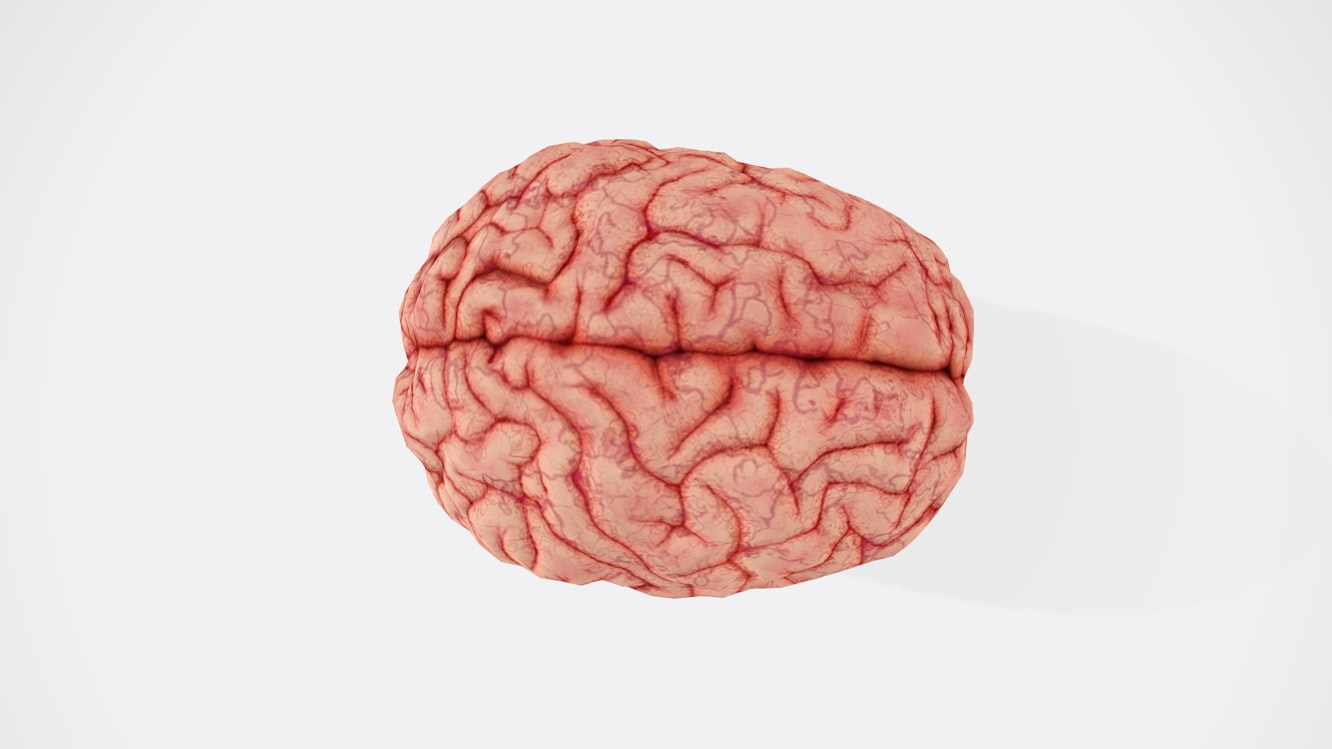
Multiple sclerosis (MS) is a chronic disease affecting the brain and spinal cord. In most cases, multiple sclerosis begins as a relapsing-remitting MS (RRMS) disease, where inflammatory episodes produce neurological symptoms that may partially improve afterward. That cycle can continue for years. This initial relapsing remitting stage can persist for years and represents the most common pattern seen in people first diagnosed with the condition.
Over time, however, the disease course may change. Neurologists refer to this stage as secondary progressive MS (SPMS), a later phase of the disease in which disability progression begins to accumulate gradually rather than appearing only during relapses. Relapses may still occur, but they no longer explain the steady changes in neurological function.
Research increasingly shows that the mechanisms driving progression differ from those responsible for earlier inflammatory activity (Huang et al., 2023). When symptoms evolve in this way, patients often seek neurological evaluation to understand what the changes represent. At Clinique Neuro-Outaouais, evaluation at our Gatineau neuro health clinic includes neurological examination and review of imaging findings when assessing patients living with multiple sclerosis.
The Secondary Progressive Phase of Multiple Sclerosis
What Defines Secondary Progressive Multiple Sclerosis (SPMS)?
Secondary progressive MS describes a stage in which the disease shifts from relapse-driven activity toward gradual neurological decline. Early in MS, symptoms usually reflect inflammatory attacks within the central nervous system. These relapses can affect vision, sensation, balance, or strength and may partially resolve once the episode ends.
In SPMS, that episodic pattern becomes less dominant. Walking may become more difficult over time. Dexterity may decline. Cognitive efficiency can also change gradually. The key feature is sustained progression between relapses and gradual worsening of neurological function. MRI scans may still show inflammatory lesions and some patients with SPMS continue to experience relapses, but neurological function continues to decline outside those events.
The transition is rarely clear at a single point in time. Neurologists typically recognize the progression to SPMS only after observing consistent progression across multiple clinical visits, supported by neurological examination and imaging findings.
Why the Progressive Phase Remains Difficult to Explain
One of the central challenges in progressive MS is that disability can worsen even when inflammatory activity appears quiet. This observation led researchers to describe progression independent of relapse activity, commonly referred to as PIRA (Ontaneda et al., 2022).
Current research suggests that several biological processes contribute to this progression. Damage to nerve fibers, persistent immune activity within the central nervous system, and structural changes in neural networks all appear to play roles in the progressive disease (Lassmann, 2024). These mechanisms develop slowly and may continue long after the earlier inflammatory stages of MS.
Why Treatment Options Are Limited
Patients often ask whether treatment can stop the disease once progression begins. At present, no therapy cures secondary progressive multiple sclerosis.
Some disease-modifying therapies are approved for patients who continue to show inflammatory activity, sometimes described as active SPMS. These treatments target immune mechanisms associated with inflammation (Fox et al., 2024).
Progressive neurological decline, however, is strongly linked to neurodegenerative changes within the brain and spinal cord. Loss of nerve fibers and structural changes within the central nervous system appear to drive disability accumulation during this stage (Dutta & Trapp, 2022). Because these processes differ from inflammatory relapses, they remain difficult to treat with currently available therapies.
How Progressive MS Affects Neurological Function
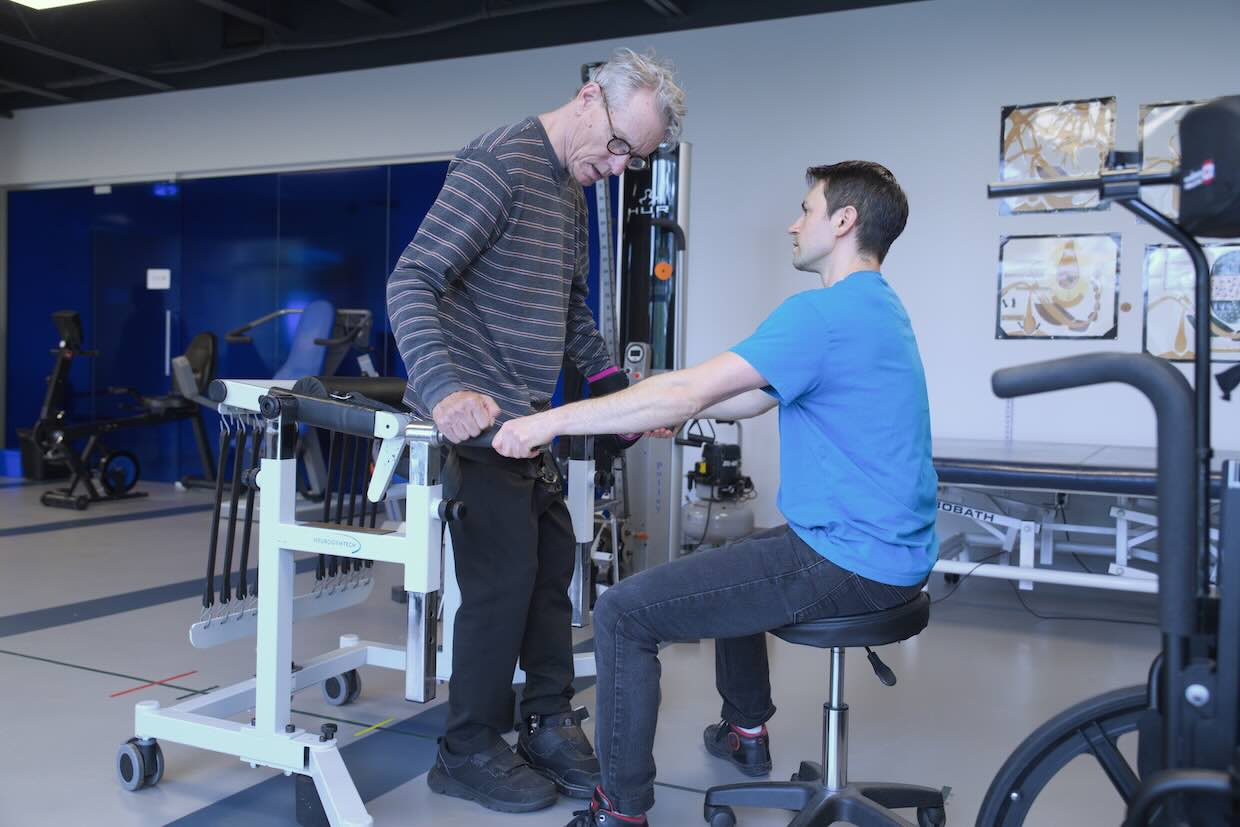
The effects of progressive MS usually appear gradually rather than suddenly. Many patients first notice changes in mobility. Walking distance may decrease, balance may become less stable, and coordination may require more effort.
Muscle stiffness, known as spasticity, can develop when the spinal cord is involved in the disease. Fatigue remains common in progressive MS and may affect both physical activity and concentration.
Cognitive changes can also occur. Processing speed may slow, and sustained attention may become more demanding. These symptoms reflect structural changes within the brain and spinal cord, including disruption of neural networks and loss of nerve fibers (Lassmann, 2024). The pace of progression varies widely between individuals.
The Role of Neurological Care During the Progressive Phase
Progressive MS requires continued neurological evaluation. Monitoring how neurological function changes over time becomes an important part of clinical care.
Neurologists assess mobility, coordination, reflex patterns, and cognitive function during examination. Imaging studies may provide additional information about disease activity and structural changes in the central nervous system. Patients often seek consultation when symptoms evolve or when imaging results raise questions about disease progression.
At Clinique Neuro-Outaouais, people with MS can visit our Gatineau neuro health clinic to review neurological findings and discuss how their condition is changing over time.
Speak With a Neurologist About Progressive Multiple Sclerosis at Clinique Neuro-Outaouais
Secondary progressive multiple sclerosis marks a stage of the disease where neurological decline becomes more persistent and changes in function can develop gradually over time. Because this transition rarely occurs at a single moment, understanding it often requires careful observation across multiple clinical visits, along with thoughtful interpretation of neurological symptoms and imaging findings.
At Clinique Neuro-Outaouais, our work focuses on neurological evaluation and clinical interpretation of conditions affecting the brain and spinal cord, including multiple sclerosis.
We are presently participating in two clinical trials that include patients with SPMS. The first, FREVIVA, is a phase 3 clinical trial where frexalimab, an antiCD40L monoclonal antibody administered intravenously every 4 weeks, is compared to a placebo in a population of SPMS patients. Recruitment is completed and the trial is ongoing. The second, the CeV study is a single center phase 3 trial looking at the impact of repetitive transcranial magnetic stimulation (rTMS) on walking speed and endurance and corroborating the improvement with electrencephalographic (EEG) changes in patients with MS induced spastic paraparesis. The recruitment is ongoing and open to MS patients of all types.
If you are living with MS and have questions about new symptoms, disease progression, or recent imaging results, a neurological consultation can provide clarity and clinical perspective.
References
Dutta, R., & Trapp, B. D. (2022). Mechanisms of neurodegeneration in multiple sclerosis. Brain Sciences, 12(2), 183. https://www.mdpi.com/2076-3425/12/2/183
Fox, R. J., et al. (2024). Treatment strategies for progressive multiple sclerosis. The Lancet Neurology. https://www.thelancet.com/journals/laneur/article/PIIS1474-4422(24)00027-9/abstract
Huang, W. J., Chen, W. W., & Zhang, X. (2023). Multiple sclerosis: Pathology and disease mechanisms. Frontiers in Molecular Neuroscience. https://www.frontiersin.org/journals/molecular-neuroscience/articles/10.3389/fnmol.2023.1210091/full
Lassmann, H. (2024). Pathogenic mechanisms in progressive multiple sclerosis. Nature Reviews Neurology. https://www.nature.com/articles/s41582-024-01006-1
Ontaneda, D., et al. (2022). Progressive multiple sclerosis: prospects for disease therapy, repair, and restoration. PMC. https://pmc.ncbi.nlm.nih.gov/articles/PMC9185385/