People who start reading about rTMS often find the same broad claim repeated over and over. They are told that the treatment can “rewire the brain,” but that phrase does not explain what the effects actually are or how they work.
Repetitive transcranial magnetic stimulation, or rTMS, is a form of non-invasive neuromodulation that uses repeated magnetic pulses to stimulate targeted areas of the human brain. Neuroplasticity refers to the brain’s ability to adapt through changes in neural activity and communication network connectivity over time. It is the physiological foundation of the brain’s capacity to learn. This capacity in certain situations translates into a capacity to compensate and/or recover. These ideas are connected, but they are not the same thing, and at Clinique Neuro-Outaouais, we believe patients looking into rTMS deserve a clear explanation of both so they can make an informed decision about their care (Fitzsimmons et al., 2024).
At Clinique Neuro-Outaouais, we use rTMS as part of a broader clinical practice built around neurological care. Current research supports the view that repeated noninvasive brain stimulation can influence brain activity and connected neural networks. Comprehension of the biological mechanisms underlying rTMS is still evolving. With that foundation in place, it is helpful to look more closely at what rTMS involves, how it works, and why neuroplasticity remains central to the discussion. (Fitzsimmons et al., 2024; Sharbafshaaer & Cirillo, 2024).
Repetitive Transcranial Magnetic Stimulation (rTMS) and Enhancing Neuroplasticity
What rTMS Is
rTMS uses an electromagnetic coil placed on the scalp to deliver repeated magnetic pulses. These pulses pass through the skull and generate small electrical currents in the superficial layers of the brain. In depression care, stimulation is commonly directed toward prefrontal regions involved in mood regulation and cognitive control.
At our clinic, rTMS is described as a non-invasive treatment option in psychiatry for conditions that include medication resistant depression. Treatment sessions usually last 40 to 50 minutes and are commonly repeated 5 times a week for 4 to 6 weeks. Our treatment often requires a prior modified non-diagnostic MRI so our team can use neuronavigation to identify the sites in the brain to stimulate and precisely place/orient the electromagnetic coils over these targets.
rTMS is different from electroconvulsive therapy. It does not require anesthesia, and patients remain awake during treatment. Treatments cause scalp muscle contractions that are often felt as a knocking sensation on the head, and some patients report a mild headache. There are no known short- or long-term side effects listed there, and treatments are often followed by maintenance sessions at variable intervals.
What Neuroplasticity Means
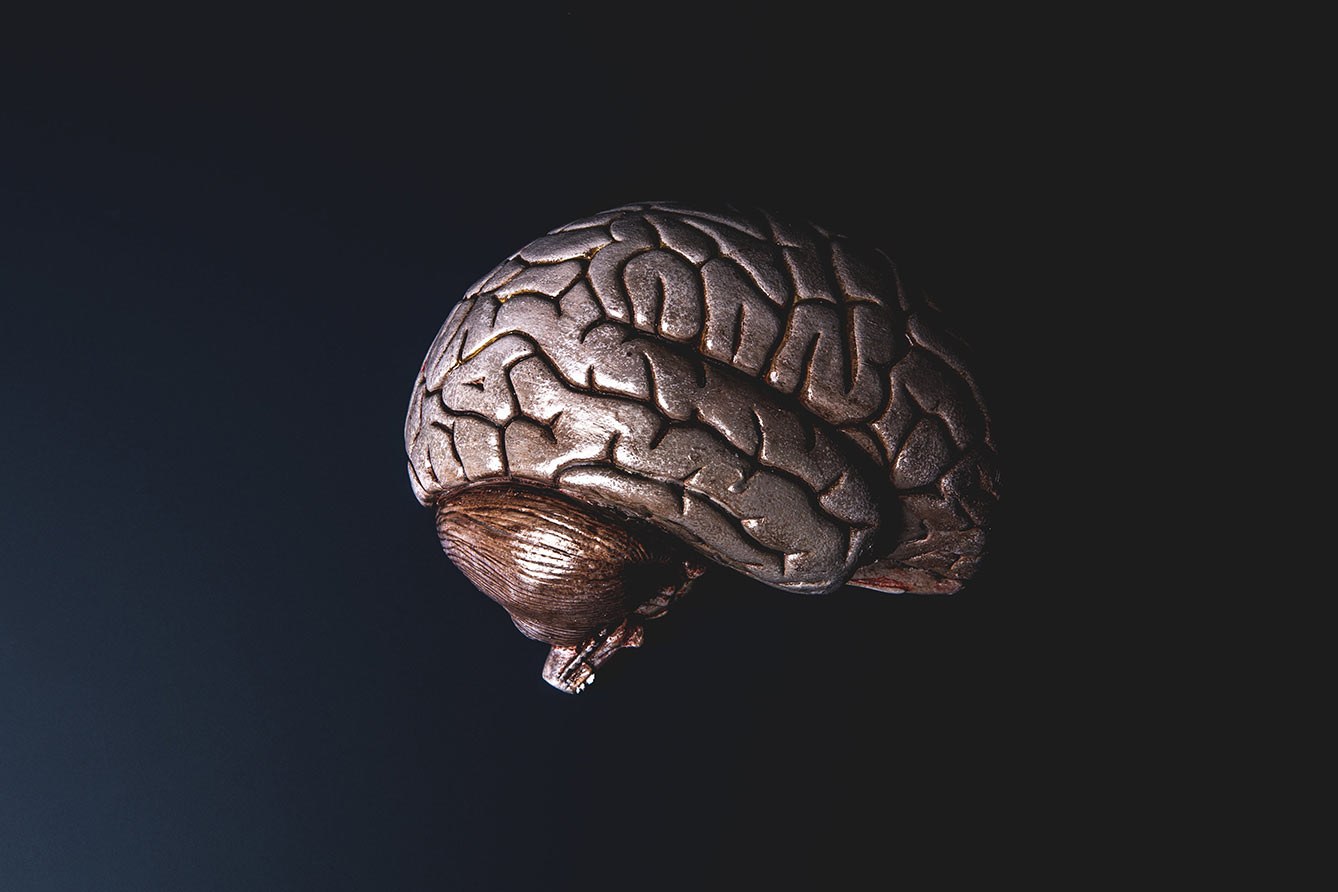
The brain is a dynamic organ. It responds to stimulation, experiences, and injury by changing how cells communicate and how circuits function. That ability to adapt is what we mean by neuroplasticity, which can involve changes in neural firing, connectivity, and the way different brain regions work together. It is a normal part of nervous system function and an important part of how clinicians and researchers think about learning,recovery, adaptation, and treatment response for traumatic brain injuries, strokes, neurodegenerative diseases and mental illnesses (Fitzsimmons et al., 2024; Kricheldorff et al., 2022).
How rTMS May Affect Brain Function
Research has shown that repeated magnetic stimulation appears to do more than create a brief local effect during the treatment session. Current evidence suggests that it can influence cortical excitability and the activity of connected neural networks. Researchers have looked at functional connectivity, structural imaging changes, neurotransmitter modulation, receptor dynamics, and synaptic effects. Taken together, that work supports the view that rTMS may influence brain function at more than one level (Fitzsimmons et al., 2024; Kricheldorff et al., 2022; Sharbafshaaer & Cirillo, 2024).
How We Use Evidence Supported rTMS at Our Clinic
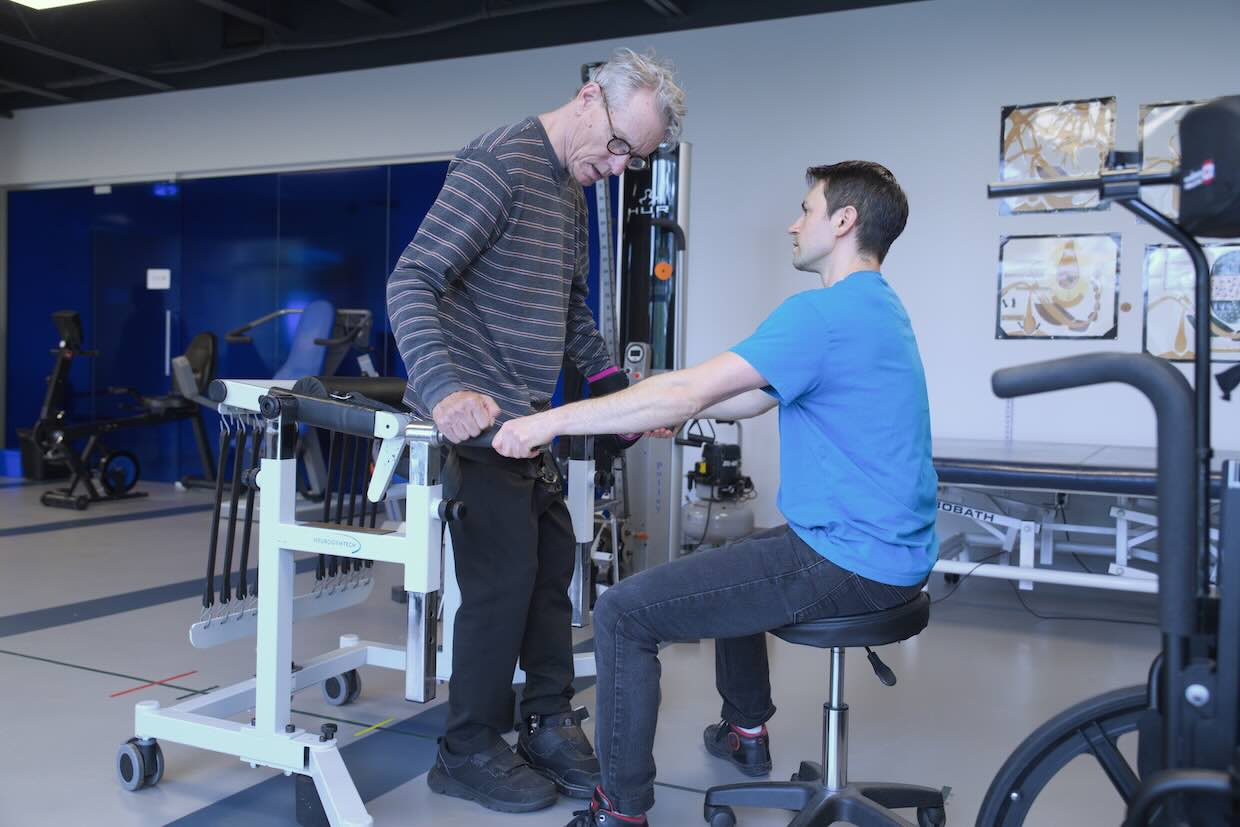
A few points are now well established in neurological research. rTMS is an established non-invasive treatment option in psychiatry, and at our clinic it is offered for conditions that include medication resistant depression, obsessive compulsive disorder, and post traumatic stress disorder. We also offer rTMS treatments for post-stroke recovery, Alzheimer’s disease, multiple sclerosis, Parkinson’s disease, and glioblastoma multiforme, while also conducting clinical research with rTMS in areas such as multiple sclerosis and glioblastoma multiforme.
The research also supports the view that rTMS can influence brain activity and connectivity. What remains under study are the finer points: optimal targeting, stimulation parameters, maintenance approaches, and the reasons clinical response varies across patients. There is real science behind the treatment, but there are still many aspects of how rTMS works that continue to evolve (Fitzsimmons et al., 2024; Sharbafshaaer & Cirillo, 2024).
See if rTMS May Be the Right Next Step With Clinique Neuro-Outaouais
At Clinique Neuro-Outaouais, we take the time to look at the full clinical picture before recommending rTMS. For patients living with medication-resistant mental illnesses, that means reviewing symptoms, treatment history, and the role rTMS may play in care. Our approach is grounded in medical judgment, clear guidance, and treatment planning that stays tied to the patient in front of us.
The discussion of our treatment at our clinique starts with assessment and a careful review of your medical history. We believe you deserve realistic guidance and a direct explanation of where rTMS may fit your care. To learn more about our rTMS treatments and neuro rehabilitation options, contact our clinic, get in touch with our team and book a consultation today.
References
Ferrarelli, F. (2022). Is neuroplasticity key to treatment response in depression? Maybe so. American Journal of Psychiatry, 179(7), 451–453. https://doi.org/10.1176/appi.ajp.20220432
Fitzsimmons, S. M. D. D., Oostra, E., Postma, T. S., van der Werf, Y. D., & van den Heuvel, O. A. (2024). Repetitive transcranial magnetic stimulation-induced neuroplasticity and the treatment of psychiatric disorders: State of the evidence and future opportunities. Biological Psychiatry, 95(6), 592–600. https://doi.org/10.1016/j.biopsych.2023.11.016
Kricheldorff, J., Göké, J., Crossley, N. A., Lam, A. P., Najib, U., & Downar, J. (2022). Evidence of neuroplastic changes after transcranial magnetic, electric, and deep brain stimulation in the brain: A systematic review of the structural MRI literature. Brain Sciences, 12(7), 929. https://doi.org/10.3390/brainsci12070929
National Institute of Mental Health. (n.d.). Brain stimulation therapies. U.S. Department of Health and Human Services. https://www.nimh.nih.gov/health/topics/brain-stimulation-therapies/brain-stimulation-therapies
Sharbafshaaer, M., & Cirillo, G. (2024). Harnessing brain plasticity: The therapeutic power of repetitive transcranial magnetic stimulation (rTMS) and theta burst stimulation (TBS) in neurotransmitter modulation, receptor dynamics and neuroimaging.Biomedicines, 12(11), 2506. https://doi.org/10.3390/biomedicines12112506