Repetitive transcranial magnetic stimulation (rTMS) is a form of noninvasive brain stimulation that uses repeated magnetic pulses to stimulate targeted areas of the brain (Richter et al., 2023). At Clinique Neuro-Outaouais, we use it in selected psychiatric disorders and neurological contexts (such as major depressive disorder, anxiety, PTSD, and OCD) under physician supervision.
rTMS should be understood in practical terms. It is important to explain what the treatment is, what takes place during a session, what patients may feel during treatment, and how candidacy is assessed. This guide will walk you through our rTMS treatment, so you can have a thorough understanding of how it works and whether or not this treatment is for you.
What rTMS Is
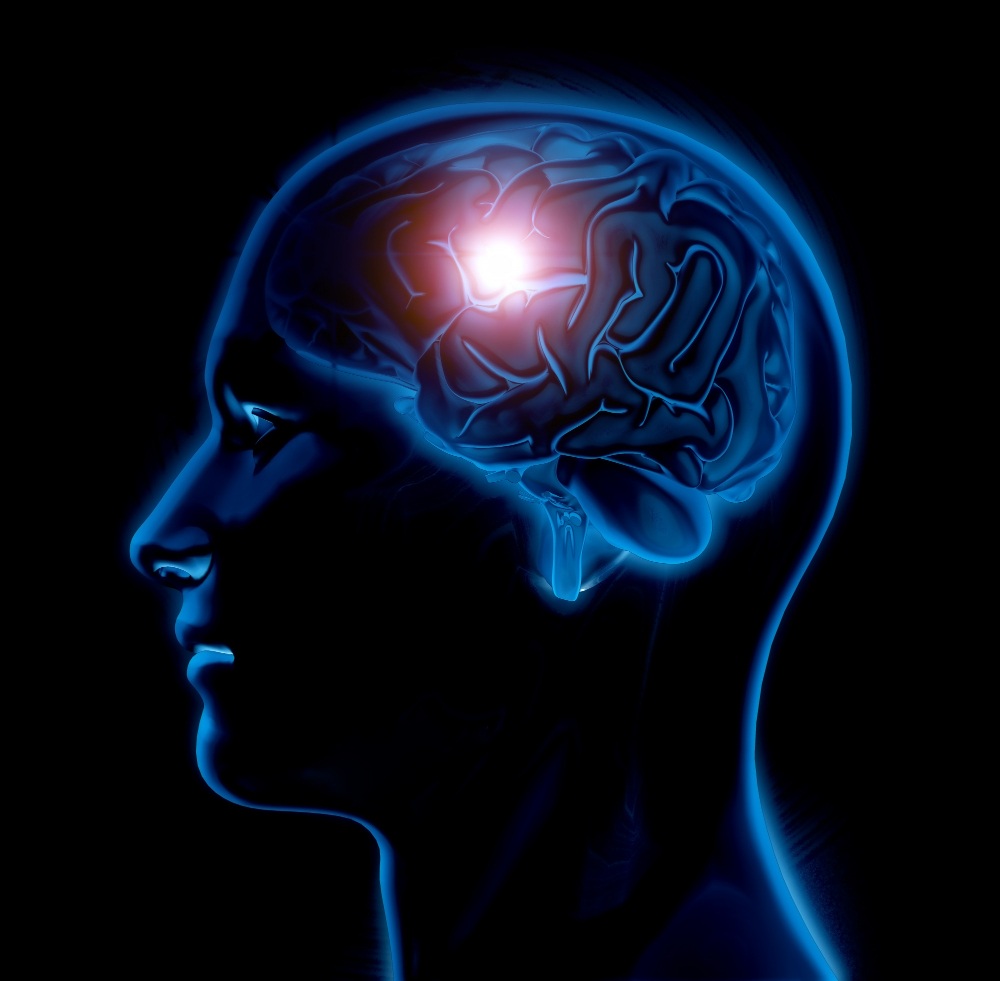
rTMS is delivered with a magnetic coil placed against the scalp. That coil generates a magnetic field that induces small electrical currents in targeted cortical regions. Treatment is performed while the patient is awake and alert, and it does not require surgery or require anesthesia. Repetitive TMS is distinct from electroconvulsive therapy and is performed as a non-invasive outpatient procedure (Mayo Clinic, n.d.).
How rTMS Works
Repeated magnetic stimulation affects brain activity in specific regions. Over a course of treatment, that stimulation can modify how neural networks communicate and can influence superficial brain tissue involved in those networks (Richter et al., 2023). Current research is also examining how these effects may relate to microglial function and plasticity-promoting processes (d’Errico et al., 2025).
What Treatment Looks Like at Our Clinic
At Clinique Neuro-Outaouais, sessions usually last 40 to 50 minutes. Treatment is generally given five days a week for four to six weeks. In practice, that means care is delivered as an rTMS treatment series rather than a one-time visit. Maintenance rTMS sessions may follow at variable intervals. Some treatments require a prior modified non-diagnostic MRI obtained at MRI St. Joseph so neuronavigation can be used during care.
For depression care, six weeks of rTMS therapy is associated with a reduction of depression symptoms by 50% or more in people whose antidepressant medications had not been effective. That figure applies to that treatment context and should not be read as a general outcome statement for every diagnosis treated with rTMS.
What Patients May Feel During Treatment
Treatment causes scalp muscle contractions that are felt as a tapping sensation on the head, though mild headaches have also been reported as a mild side effect. Other short-term adverse effects can include scalp discomfort, headache, lightheadedness, and facial muscle twitching in some patients. Patients remain awake during treatment, and many resume normal daily activities afterward (Mayo Clinic, n.d.).
When rTMS May Be Considered
In psychiatry, rTMS is an established treatment option for medication-resistant depression, obsessive compulsive disorder, and posttraumatic stress disorder.
At Clinique Neuro-Outaouais, we offer rTMS to people with medication-resistant depression, PTSD, post-stroke recovery needs, Alzheimer’s disease, multiple sclerosis, Parkinson’s disease, and glioblastoma multiforme. We are also conducting rTMS-related research and clinical trials activity in multiple sclerosis and glioblastoma multiforme.
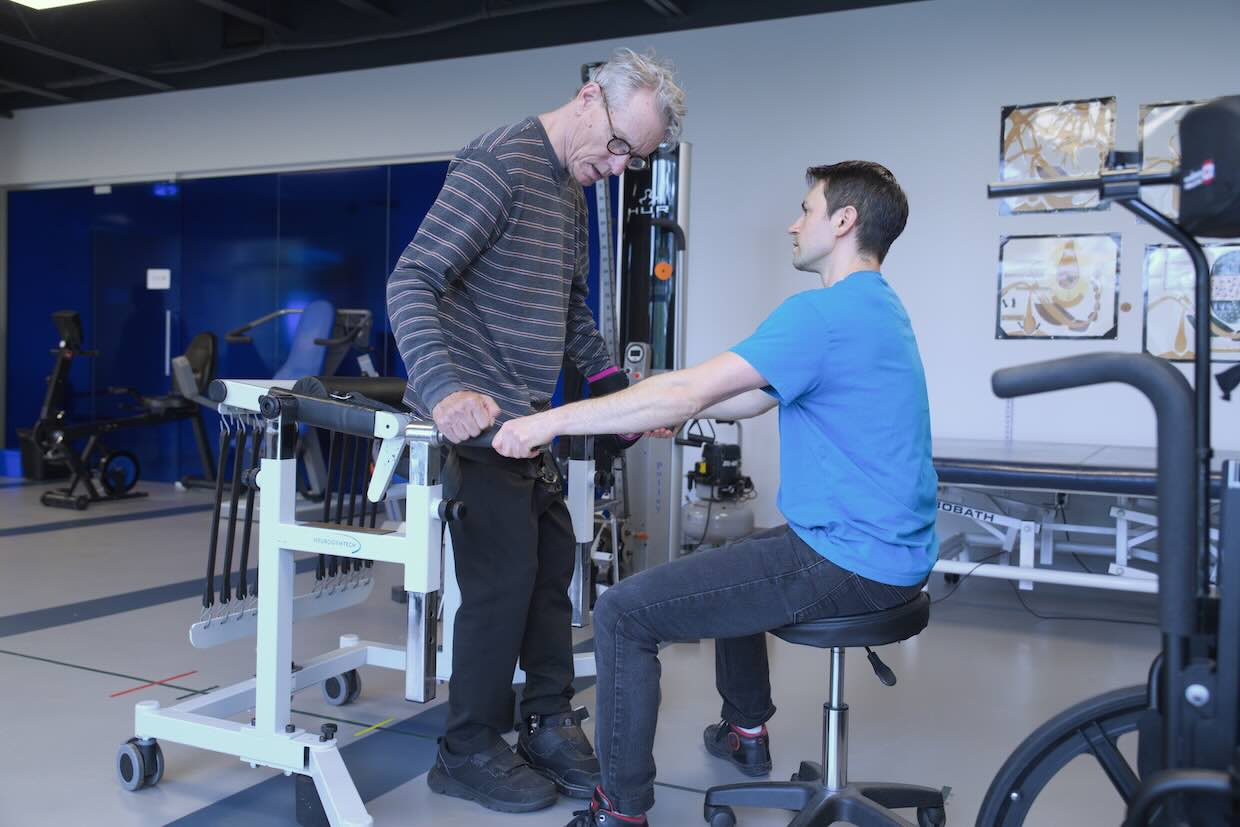
Its role is not the same across every condition. In stroke recovery, rTMS is used as an adjunct therapy to improve motor and speech recovery, and it is presented as experimental. In Alzheimer’s disease, reported cognitive benefit is paired with the statement that further studies are still required, and treatment is also presented as experimental. In multiple sclerosis and Parkinson’s disease, treatment is likewise presented as experimental. Current evidence is stronger for some indications than for others.
Assessment Before Treatment
Assessment comes first. Diagnosis, medical history, treatment goals, and prior response to care all affect candidacy. For depression and PTSD services, physician referral is required. Screening also needs to review implanted medical devices and other factors that can affect safety. Relevant examples include deep brain stimulators, cochlear implants, magnetic implants, a history of seizures, bipolar disorder, other mental health conditions, and brain injury such as traumatic brain injury (Mayo Clinic, n.d.).
Insurance and Access
Some private insurance plans cover rTMS treatments, though public plans such as RAMQ and OHIP do not. Coverage terms differ by insurer and by service, so that point should be reviewed before treatment begins. To discuss next steps, you can contact our clinic.
Explore rTMS at Clinique Neuro-Outaouais
rTMS has a defined place in selected psychiatric and neurological care, but its value depends on careful assessment and sound clinical judgment. At Clinique Neuro-Outaouais, we evaluate each case individually, review the condition being treated, and build the treatment plan within a physician-supervised clinical setting. That approach helps us determine when rTMS is appropriate, how it should be delivered, and where it fits within broader care. If you would like to discuss rTMS with our team, contact us today to take the next step.
References
d’Errico, P., Früholz, I., Meyer-Luehmann, M., & Vlachos, A. (2025). Neuroprotective and plasticity promoting effects of repetitive transcranial magnetic stimulation (rTMS): A role for microglia. Brain Stimulation, 18(3), 810–821. https://doi.org/10.1016/j.brs.2025.03.012
Mayo Clinic. (n.d.). Transcranial magnetic stimulation. https://www.mayoclinic.org/tests-procedures/transcranial-magnetic-stimulation/about/pac-20384625
Richter, K. R. K., Kellner, S. K., & Licht, C. L. (2023). rTMS in mental health disorders. Frontiers in Network Physiology, 3, 943223. https://doi.org/10.3389/fnetp.2023.943223